

What is a credit rating? And why should I care about it (at all)?
March 2, 2026
Did you know Australians make more than 750 electronic payments every year? That’s a lot of tapping, clicking, and swiping. But how often do we actually stop to think about what’s happening behind the scenes, and whether the payment method we’re reaching for is really the best choice?
The old “cash or card?” question is now more complex. These days you’re choosing between debit, credit, digital wallets, fast payment systems like PayID, and Buy Now Pay Later (BNPL). Each works differently, and each comes with its own costs, risks, and consumer protections. Understanding those differences is useful, not just at the checkout, but for your broader financial wellbeing.
The landscape has shifted dramatically
According to the RBA’s Consumer Payments Survey, the share of in-person transactions made with cash halved between 2019 and 2022, dropping from 32% to just 16%. Card payments have surged to fill that gap, with debit cards growing particularly quickly.
Since 2018, we’ve also had the New Payments Platform (NPP), which powers fast, real-time bank-to-bank transfers through PayID and PayTo. Mobile wallets launched in Australia in 2017, and today over 40% of Australians use them regularly for in-store purchases. BNPL services like Afterpay and Zip have become a fixture at online and in-store checkouts alike.
So what’s actually happening when you pay?
More parties = more fees
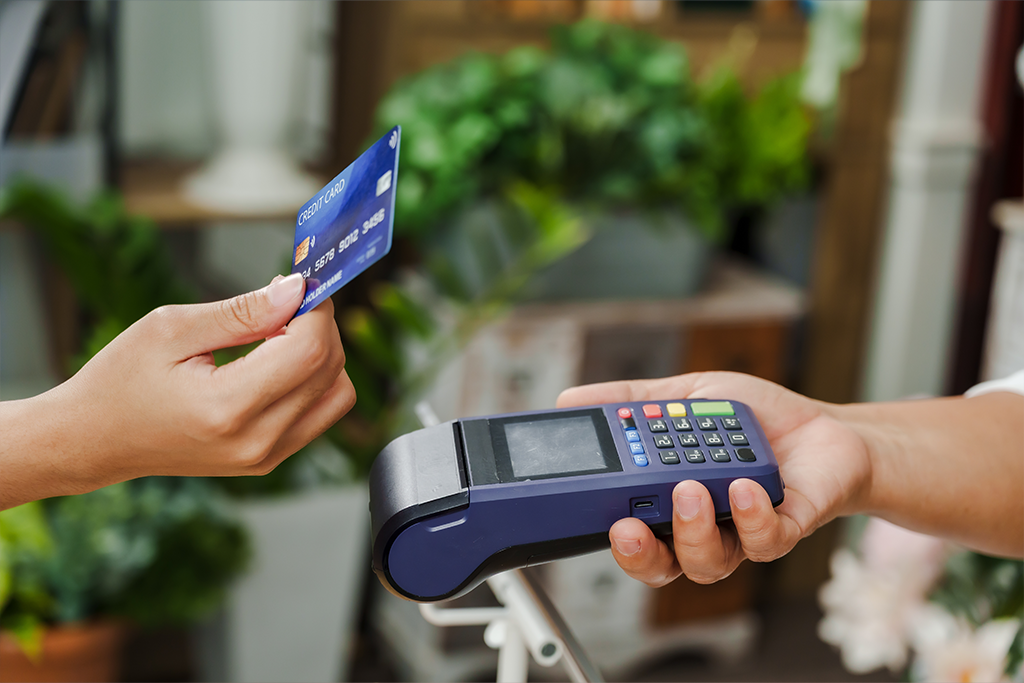
When you tap your card, it looks instant. But behind that beep, at least five parties are involved — you, your bank, the merchant’s bank, the card network (Visa, Mastercard, or Amex), and the merchant. Fees flow between these parties at every step, and merchants may pass some of those costs on to you which is why you’ll sometimes see a surcharge for card payments at the register.
Fast payments through services like PayID and PayTo are generally the most direct and lowest-cost option, with fewer intermediaries taking a cut along the way.
“Free” isn’t always free
This is worth pausing on. Each payment method has costs they’re just not always visible to you at the time of purchase.
- Cash – no direct fees, but physical theft risk, no protection if lost, and sometimes ATM fees
- Debit cards – generally low cost, but watch for overdraft fees
- Credit cards – interest-free if paid in full each month, but interest and annual fees add up fast if not
- BNPL – no upfront interest, but late fees, account-keeping fees, and payment processing fees can catch you off guard
- PayID/PayTo – should be cost-effective for direct transfers, though some banks pass on costs
A financially savvy approach is to match your payment method to the situation, rather than defaulting to the same option every time.
Security and consumer protection – they’re not equal
It’s worth knowing that different payment methods offer different levels of protection. And interestingly, the most private options tend to offer the least protection if something goes wrong.
Cash is the most private, no digital trail, no data collected. But if you lose it or it’s stolen, it’s gone. Credit cards collect more of your data, but offer strong legal protections including chargeback rights for disputed purchases. Debit cards are similar, though fraud resolution can be slower and protections are slightly weaker than credit cards.
Digital wallets add a useful layer of device security on top of card protections. BNPL now has formal regulatory protection too, new laws that came into effect in June 2025 brought BNPL providers under the National Credit Code for the first time. This is a significant step forward for consumers. You can read more about what this means at ASIC’s website.
A figure worth keeping in mind: according to Australian Payments Network, card fraud sits at 71.8 cents per $1,000 spent, actually down from a peak of 78.8 cents the previous year, thanks in part to improved fraud prevention measures. The vast majority still happens in card-not-present transactions, which means online shopping is where most of the risk lies.
If something goes wrong
Your first call should always be to your bank or card provider. They can investigate, and in cases of fraud, potentially reimburse you. You can also report to Scamwatch. For payment disputes more broadly, ASIC’s MoneySmart is an excellent starting point.
The bottom line
Every time you pay for something, you’re making a small financial decision. Most of the time it probably doesn’t matter much but sometimes it does, and knowing how these systems actually work puts you in the driver’s seat.
So next time you’re at the checkout, it’s worth asking: is this the right payment method for this purchase? The answer might just save you money.